
Get Drain Rerouting in Omaha, NE
Drain rerouting services help Omaha property owners fix clogged, broken, or outdated drain lines by connecting them to new, more reliable pathways often needed during renovations or repairs.
Drain rerouting services are an important consideration for property owners in Omaha, NE dealing with persistent drainage issues or planning major landscape and construction projects. Properly rerouted drains can help prevent water accumulation, reduce the risk of basement flooding, and protect the foundation of a property. Exploring options for drain rerouting can also ensure that your property complies with local regulations and is prepared for future weather conditions, making it a practical step in maintaining a safe and functional outdoor space.
For those interested in planning a drainage project, understanding the variety of services available locally can help in making informed decisions. Many experienced contractors in the Omaha area specialize in drain rerouting, offering solutions tailored to different property types and needs. Comparing local service providers can help identify the right experts to handle the work efficiently and effectively, ensuring that your property’s drainage system is optimized for long-term performance. Keep reading to learn more about how to find the right professionals for your project.
- Drain rerouting - needed when existing drainage systems are causing water pooling or flooding in Omaha neighborhoods.
- Drain rerouting - necessary when property expansion or renovations require adjustments to the current drainage layout.
- Drain rerouting - recommended if tree roots or debris have damaged or obstructed the original drainage pathways.
- Drain rerouting - appropriate when a property experiences frequent backups or slow drainage in areas like South Omaha.
- Drain rerouting - useful for addressing issues caused by changes in land grading or new construction projects.
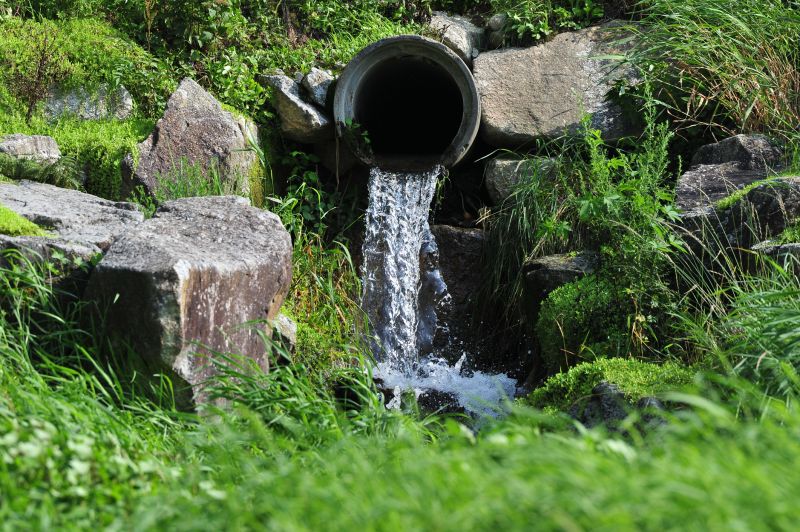
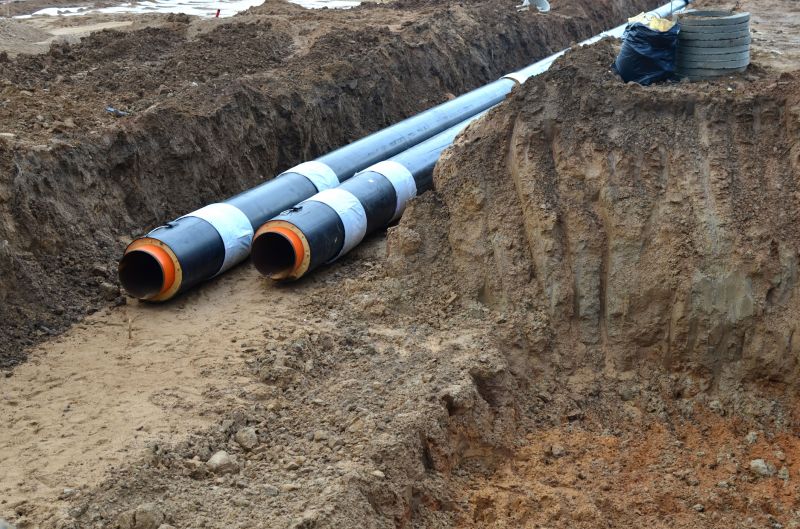

Drain rerouting services involve relocating or redesigning a property's existing sewer and drain lines to improve functionality, address structural issues, or prevent future problems. This process typically includes digging trenches to reroute pipes around obstacles or areas prone to damage, and installing new piping that better suits the property’s layout and needs. Professional contractors use specialized equipment and techniques to ensure the rerouted drains are properly connected and free of leaks, helping to create a more reliable and efficient plumbing system. This service is often sought when older pipes are failing, or when renovations and additions require adjustments to the existing drainage layout.
Many common problems can be resolved through drain rerouting. For example, if a property experiences frequent backups or slow drains, rerouting may be necessary to eliminate blockages caused by tree roots, shifting soil, or pipe corrosion. It can also help address issues related to improper pipe slopes or outdated sewer lines that no longer serve the property effectively. Additionally, rerouting is a solution for properties where new construction or remodeling projects interfere with existing drainage pathways, or where access for repairs and maintenance is limited. By rerouting the drains, homeowners can reduce the risk of costly backups, water damage, and ongoing plumbing issues.
Drain rerouting is frequently used in residential properties, especially older homes where original sewer lines may have become misaligned or damaged over time. It is also common in commercial buildings, multi-family dwellings, and properties undergoing significant renovations. Homeowners who notice persistent foul odors, soggy patches in the yard, or slow-draining sinks and toilets might find rerouting to be an effective solution. In areas with mature trees or unstable soil, rerouting can help avoid future problems caused by root intrusion or ground movement. Overall, this service helps maintain a functional and trouble-free plumbing system tailored to the specific layout and conditions of each property.
Local contractors who specialize in drain rerouting bring experience in working with different property types and plumbing configurations. They assess the existing drainage system, identify problem areas, and develop a plan that minimizes disruption while ensuring long-term performance. Whether for a single-family home, a multi-unit complex, or a commercial site, these professionals can handle the complexities of rerouting sewer lines and drains. Contacting experienced service providers can help homeowners find solutions that improve their property’s plumbing system, prevent future issues, and ensure proper drainage for years to come.
The overview below groups typical Drain Rerouting projects into broad ranges so you can see how smaller, mid-sized, and larger jobs often compare in Omaha, NE.
In many markets, a large share of routine jobs stays in the lower and middle ranges, while only a smaller percentage of projects moves into the highest bands when the work is more complex or site conditions are harder than average.
Smaller Repairs - Typical costs for routine drain rerouting jobs in Omaha and nearby areas range from $250 to $600. Many projects involving minor adjustments or repairs fall within this range, depending on the complexity.
Moderate Replacements - Larger, more involved rerouting projects usually cost between $600 and $2,000. Fewer jobs reach this tier, but they often include additional pipe work or rerouting around obstacles.
Full Drain Rerouting - Complete rerouting of a main drain or sewer line can range from $2,000 to $5,000 or more. These projects are typically more complex and less common, depending on the property's layout and accessibility.
Complex or Custom Projects - Very large or custom rerouting jobs, such as those involving extensive excavation or significant property modifications, can exceed $5,000. These are less frequent and usually tailored to specific site requirements.
Actual totals will depend on details like access to the work area, the scope of the project, and the materials selected, so use these as general starting points rather than exact figures.
Sewer Line Replacement - professionals skilled in replacing damaged or aging sewer lines often use similar planning and excavation tools as drain rerouting services.
Foundation Drain Installation - installing foundation drains requires knowledge of underground piping and drainage systems, aligning with skills used in rerouting drains.
Stormwater Drainage Systems - designing and installing stormwater drainage involves rerouting water flow around structures, similar to drain rerouting techniques.
Trenchless Pipe Repair - trenchless methods for pipe repair share planning and equipment with drain rerouting projects, minimizing surface disruption.
Underground Utility Locating - accurately locating underground utilities is essential to avoid damage during drain rerouting, requiring specialized tools and planning.
Basement Waterproofing Drainage - installing interior drainage systems for waterproofing involves rerouting water away from foundations, utilizing similar skills and tools.
When evaluating contractors for drain rerouting services, it’s important to consider their experience with similar projects. Homeowners should inquire about how many drain rerouting jobs they have completed in Omaha and nearby areas, and whether they have handled projects comparable in size and complexity to their own. An experienced service provider will be familiar with local soil conditions, common challenges, and the best practices for ensuring a durable and effective reroute. This knowledge can help prevent potential issues down the line and contribute to a smoother installation process.
Clear, written expectations are essential when comparing local contractors. Homeowners should seek detailed proposals that outline the scope of work, materials to be used, and any necessary preparations or follow-up steps. Having this information in writing helps avoid misunderstandings and provides a benchmark for evaluating bids. It’s also beneficial to ask service providers how they communicate project updates and if they are available to answer questions throughout the process. Good communication ensures that homeowners stay informed and can make timely decisions if adjustments are needed.
Reputable references and reviews are valuable tools in assessing the reliability of local service providers. Homeowners should request references from past clients who had similar drain rerouting work done, or look for reviews on trusted platforms. Talking with previous customers can provide insights into the contractor’s workmanship, professionalism, and ability to meet deadlines. Additionally, selecting a contractor known for transparent communication and responsiveness can make the project experience more straightforward. It’s important to remember that this site introduces homeowners to local options, not that it performs the work itself, so gathering information directly from service providers is key to making an informed choice.
Property owners in Omaha, NE use Drain Rerouting services for practical projects around their homes and businesses. This guide focuses on everyday jobs and straightforward project options.

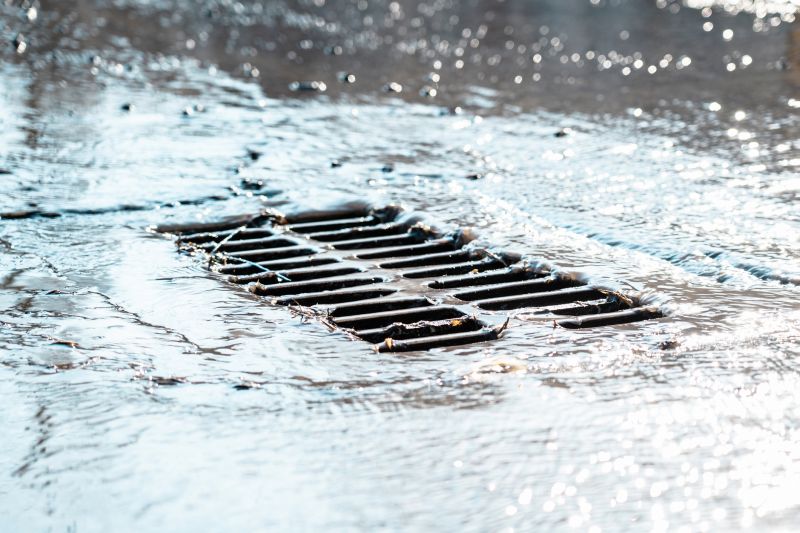
Drain rerouting services are often needed when property owners in Omaha notice persistent drainage issues around their homes or businesses. Heavy rainfall, snowmelt, or shifting soil can cause existing drain lines to become blocked or misaligned, leading to water pooling or basement flooding. Local contractors can assess these situations and modify or reroute drain lines to ensure proper water flow away from the property, helping to prevent water damage and foundation problems.
In some cases, property owners may find that their current drainage setup no longer meets the needs of their property due to renovations or changes in landscape. For example, adding new structures or altering grading can impact how water is directed around a property. Service providers in Omaha can help reconfigure drain lines to accommodate these changes, improving overall drainage and reducing the risk of standing water or erosion.
What is drain rerouting? Drain rerouting involves adjusting or relocating existing drain lines to improve drainage or resolve issues caused by obstructions, damage, or property changes.
Why might someone need drain rerouting services? Drain rerouting may be needed if there are persistent drain backups, property renovations, or changes in landscape that affect proper drainage flow.
How do local contractors handle drain rerouting projects? Local service providers assess the current plumbing setup, plan the new drain pathway, and perform the rerouting to ensure proper function and compliance with local codes.
Can drain rerouting help prevent future plumbing problems? Yes, properly rerouted drains can reduce the likelihood of backups, leaks, and other drainage-related issues in the future.
What should be considered before choosing a drain rerouting service? It’s important to evaluate the experience of local contractors, their understanding of local plumbing codes, and their ability to handle your specific drainage needs.
Drain rerouting for new additions - When expanding a property or adding a new structure, local contractors can help reroute existing drains to ensure proper waste flow.
Preventing flooding during heavy rain - Property owners can work with local service providers to adjust drain paths and reduce the risk of water pooling around the foundation.
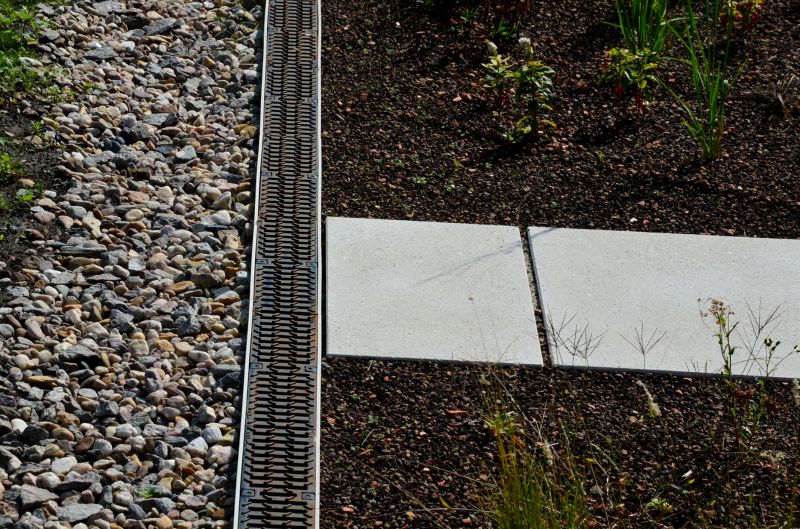
Improving yard drainage - For areas with poor drainage, local pros can redesign drain routes to direct water away from walkways and landscaping.
Addressing existing drainage issues - Homeowners experiencing frequent backups or pooling can have local contractors reconfigure drain paths for better flow and reduced problems.
If you are thinking about Drain Rerouting for a property in Omaha, NE, this guide is meant to help you understand the work, the typical project types, and how different options might fit your plans.
When you are ready, you can use the quote form on this page to share a few details about your project. From there, local pros can review the basics and respond with options that match what you have in mind.