
Get Retaining Wall Drainage in Omaha, NE
Retaining Wall Drainage services help Omaha property owners prevent water buildup, soil erosion, and structural damage by connecting them with local contractors experienced in drainage solutions for retaining walls and hillside projects.
Proper drainage is a critical component of retaining wall systems, especially for property owners in Omaha, NE, where seasonal changes can impact soil stability. Ensuring effective drainage helps prevent water buildup behind walls, reducing the risk of structural damage and soil erosion. Property owners considering retaining walls often explore drainage solutions to enhance the longevity and safety of their landscapes, making it important to compare local contractors who specialize in these services.
For those planning landscape improvements or dealing with issues like pooling water or shifting soil, connecting with experienced local contractors can provide clarity and confidence. These service providers understand the unique conditions of Omaha’s terrain and climate, offering practical drainage options tailored to specific property needs. Continuing to read can help property owners identify the right professionals to support their project goals and ensure a well-functioning, durable retaining wall system.
- Retaining Wall Drainage - needed when excess water buildup threatens the stability of a retaining wall in Omaha neighborhoods.
- Retaining Wall Drainage - essential for preventing water pressure damage in hillside properties or sloped yards.
- Retaining Wall Drainage - recommended when existing drainage issues cause erosion or shifting of landscape features.
- Retaining Wall Drainage - required after installing new retaining walls to ensure proper water flow and reduce pressure.
- Retaining Wall Drainage - necessary in areas prone to heavy rainfall or poor soil drainage to protect structural integrity.
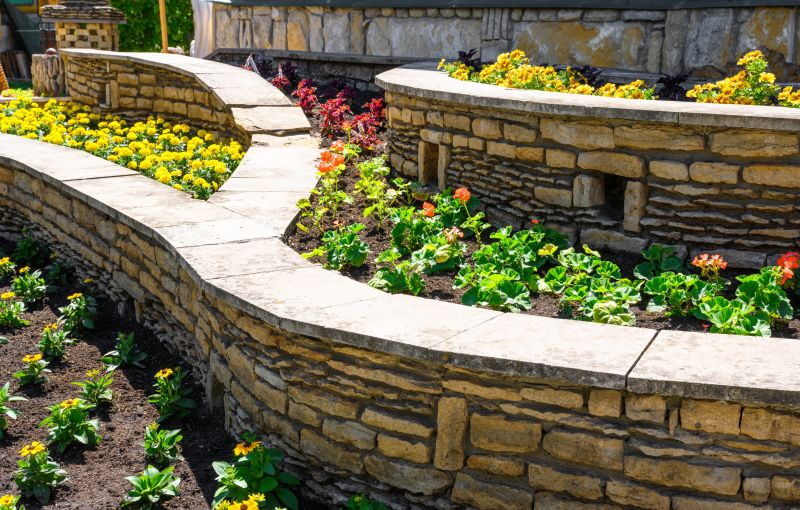

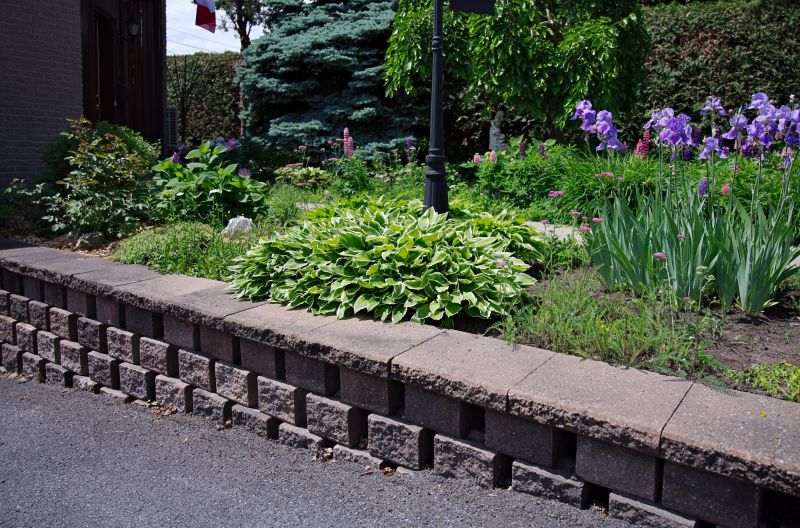
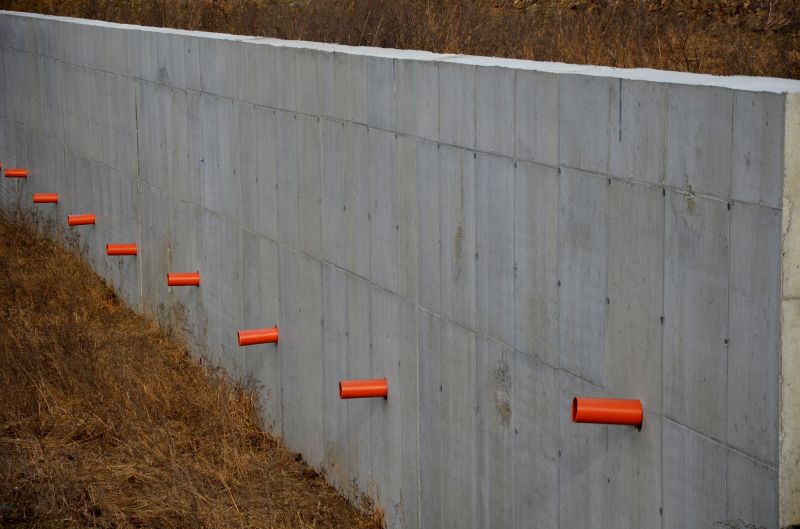
Retaining wall drainage services involve installing or improving drainage systems behind or within retaining walls to prevent water buildup. Proper drainage is essential to ensure that water does not accumulate behind the wall, which can cause pressure that compromises its stability. These services typically include the installation of drainage pipes, gravel backfill, and weep holes that allow water to escape safely. By managing water flow effectively, these solutions help maintain the integrity of the retaining wall and protect the property from potential damage caused by excess moisture.
One of the primary problems that retaining wall drainage services address is water pressure buildup. When water seeps into the soil behind a retaining wall, it can create hydrostatic pressure that pushes against the structure. Over time, this pressure can lead to cracking, leaning, or even failure of the wall. Additionally, poor drainage can result in soil erosion, which undermines the wall’s foundation and causes instability. Proper drainage solutions help mitigate these issues by directing water away from the wall, reducing stress on the structure, and preventing costly repairs.
These services are commonly used on properties where landscaping, terracing, or fencing requires retaining walls to hold back soil and create level areas. Residential properties with sloped yards, gardens, or driveways often need drainage systems integrated into their retaining walls to prevent water-related problems. Commercial properties, such as parking lots and retail spaces with retaining structures, also benefit from effective drainage to maintain safety and stability. In areas prone to heavy rainfall or rapid snowmelt, ensuring proper water management behind retaining walls becomes especially important for long-term durability.
Homeowners and property managers should consider retaining wall drainage services when they notice signs of water pooling near or behind a wall, or if there are visible cracks and tilting. These issues can indicate that existing drainage is insufficient or failing. Addressing drainage problems early can help avoid more serious structural damage and preserve the safety of the property. Local contractors experienced in retaining wall drainage can assess the specific needs of each property, recommend appropriate solutions, and help ensure that retaining walls remain stable and functional over time.
The overview below groups typical Retaining Wall Drainage projects into broad ranges so you can see how smaller, mid-sized, and larger jobs often compare in Omaha, NE.
In many markets, a large share of routine jobs stays in the lower and middle ranges, while only a smaller percentage of projects moves into the highest bands when the work is more complex or site conditions are harder than average.
Smaller Repairs - Typical costs for minor drainage fixes behind retaining walls in Omaha range from $250 to $600. Many routine repairs fall within this middle range, covering tasks like minor rerouting or sealing drainage gaps.
Moderate Projects - Installing or upgrading drainage systems for larger retaining walls often costs between $1,000 and $3,000. These projects are common for medium-sized walls requiring additional drainage components.
Full Retaining Wall Drainage Installation - Complete drainage system installations for new retaining walls typically range from $3,500 to $7,000. Larger, more complex projects can exceed this range, especially with custom features or challenging site conditions.
Full Replacement or Major Overhaul - Replacing an existing retaining wall and its drainage system can cost $8,000 or more, depending on size and complexity. These projects are less frequent but are necessary for significant structural or drainage issues.
Actual totals will depend on details like access to the work area, the scope of the project, and the materials selected, so use these as general starting points rather than exact figures.
Drainage System Installation - local contractors who install drainage systems for landscaping or foundation protection often have skills applicable to retaining wall drainage solutions.
Foundation Drainage Services - professionals working on foundation drainage projects employ similar planning and excavation techniques as those used in retaining wall drainage systems.
Landscape Grading and Drainage - grading projects to direct water flow involve planning and tools comparable to those used in designing effective retaining wall drainage.
Erosion Control Projects - erosion control work requires knowledge of soil stability and water management, closely related to retaining wall drainage planning.
Excavation and Site Preparation - site prep specialists utilize similar excavation tools and techniques needed for installing drainage behind retaining walls.
Soil Stabilization Services - soil stabilization efforts involve understanding soil behavior and water flow, skills relevant to maintaining proper drainage in retaining walls.
When evaluating contractors for retaining wall drainage services, it’s important to consider their experience with similar projects in the Omaha area. Homeowners should look for service providers who have a proven track record of handling drainage work around retaining walls, as this indicates familiarity with local soil conditions, common challenges, and effective solutions. Asking for examples of past projects or references can help gauge their expertise and ensure they understand the specific requirements of drainage systems in similar settings.
Clear, written expectations are essential for a successful project. Homeowners should seek out local contractors who can provide detailed descriptions of the scope of work, materials to be used, and the steps involved in completing the drainage system. Well-defined expectations help prevent misunderstandings and ensure that both parties are aligned on the project’s goals. It’s also beneficial to request reputable references or reviews from previous clients to verify the contractor’s reliability and quality of work.
Effective communication is a key factor when selecting a service provider for retaining wall drainage. Homeowners should prioritize local contractors who are responsive, transparent, and willing to answer questions throughout the project. Good communication fosters trust and helps address any concerns promptly, contributing to a smoother experience. Keep in mind that this site is designed to introduce homeowners to local options, providing a way to compare and connect with qualified service providers who can handle the work, rather than performing the work directly.
Property owners in Omaha, NE use Retaining Wall Drainage services for practical projects around their homes and businesses. This guide focuses on everyday jobs and straightforward project options.
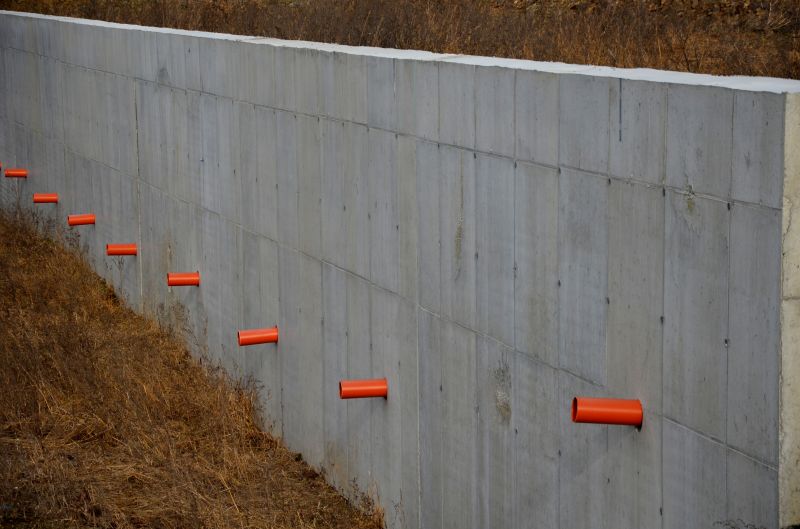

Retaining wall drainage services are often needed when property owners in Omaha notice water pooling or drainage issues around their landscape features. Heavy rains or melting snow can cause water to seep behind retaining walls, leading to potential damage or shifting over time. Local contractors who specialize in drainage solutions can help install or repair drainage systems that prevent water buildup, ensuring the stability of the wall and protecting the surrounding landscape.
Homeowners and property managers may seek these services to address concerns about soil erosion or basement flooding caused by poor drainage around retaining walls. In Omaha’s varied climate, proper drainage is essential to maintain the integrity of outdoor structures and avoid costly repairs. Service providers in the area can assess existing walls and recommend drainage improvements that help manage water flow effectively, supporting long-term property health.
Why is proper drainage important for retaining walls? Proper drainage helps prevent water buildup behind the wall, reducing the risk of pressure that can cause structural failure or damage.
What drainage solutions do contractors typically recommend for retaining walls? Contractors often suggest installing drain pipes, gravel backfill, and weep holes to ensure effective water flow and reduce hydrostatic pressure.
How can I tell if my retaining wall needs better drainage? Signs include water pooling around the base, increased soil erosion, or cracks appearing in the wall, indicating drainage issues that need attention.
Are there different types of drainage systems for retaining walls? Yes, options include weep holes, drain pipes, and gravel backfill, each suited to different wall designs and site conditions.
How do local contractors ensure proper drainage for retaining walls? They evaluate site conditions and install appropriate drainage components to manage water flow effectively and maintain wall stability.
Improve drainage behind retaining walls - local contractors can install proper drainage systems to prevent water buildup and reduce pressure on the wall during heavy rains.
Prevent soil erosion around landscaping - service providers can add drainage solutions to protect garden beds and prevent soil loss in everyday yard maintenance.
Manage runoff from driveways and patios - local pros can design drainage options to direct excess water away from foundations and walkways.
Plan for future yard expansions or renovations - property owners can consult with service providers to incorporate effective drainage solutions into new landscaping projects.
If you are thinking about Retaining Wall Drainage for a property in Omaha, NE, this guide is meant to help you understand the work, the typical project types, and how different options might fit your plans.
When you are ready, you can use the quote form on this page to share a few details about your project. From there, local pros can review the basics and respond with options that match what you have in mind.