
Get Dry Well Installation in Omaha, NE
Dry well installation services help Omaha property owners prevent drainage issues and manage excess water around foundations through expert work by local contractors.
Property owners in Omaha, NE, seeking effective drainage solutions often consider installing a dry well as a practical way to manage excess water runoff. Proper installation can help prevent pooling, reduce soil erosion, and protect landscaping from water damage, making it an important step for maintaining a healthy and functional property. Exploring options for dry well installation involves comparing local contractors who specialize in drainage systems, ensuring the work aligns with the specific needs of the property and local conditions.
If you're planning a drainage project or looking to improve your property's water management, understanding the benefits of professional dry well installation is a good place to start. Local service providers can offer guidance tailored to Omaha’s climate and soil types, helping you make informed decisions. Keep reading to discover how experienced contractors can assist with your project and provide solutions that suit your property’s unique requirements.
- Dry Well Installation - needed when a property in Omaha, NE, experiences frequent drainage issues or lacks proper stormwater management.
- Dry Well Replacement - required if an existing dry well has failed or become clogged, causing water pooling or basement flooding.
- Stormwater Management Systems - necessary for homes in neighborhoods like Dundee or Benson that require effective runoff solutions.
- Drainage System Improvements - sought when property owners want to enhance their current drainage setup to prevent water damage.
- Retrofitting for Water Harvesting - appropriate for those looking to incorporate dry wells into existing landscaping or drainage plans.
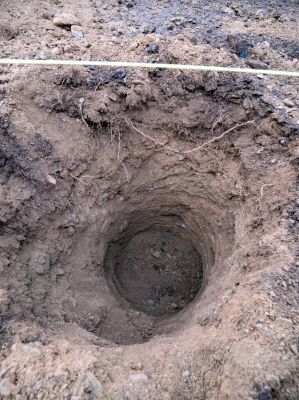
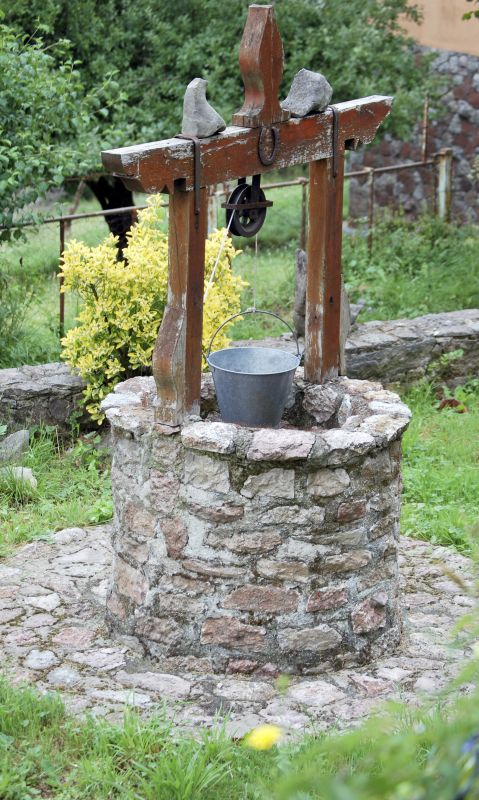
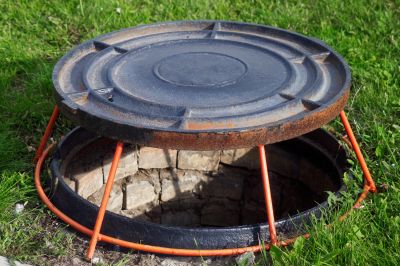
Dry well installation services involve setting up an underground drainage system designed to manage excess water on a property. This process typically includes excavating a designated area, installing a container or chamber that collects and disperses water, and connecting it to existing drainage or gutter systems. The goal is to prevent water from pooling around the foundation or flooding outdoor spaces, helping to maintain a dry and stable environment. These systems are often tailored to fit the specific needs of a property, ensuring effective water management during heavy rains or rapid snowmelt.
This service is particularly useful for solving problems related to poor drainage, standing water, or water pooling around a home’s foundation. Excess water can lead to basement flooding, foundation damage, or soil erosion, which may compromise the structural integrity of a property. Installing a dry well helps redirect water away from vulnerable areas, reducing the risk of long-term damage. It can also improve outdoor usability, making yards safer and more comfortable during wet seasons by preventing muddy patches and waterlogged lawns.
Properties that typically benefit from dry well installation include residential homes with inadequate drainage systems, especially those situated on flat or low-lying land. Homes with gutters that frequently overflow or where water tends to collect around the foundation are common candidates. Additionally, properties with large yards, landscaped gardens, or outdoor recreational areas may use dry wells to manage stormwater runoff effectively. Commercial properties, such as parking lots or community centers, can also utilize dry wells to control large volumes of water and prevent flooding issues.
Homeowners considering dry well installation should look for local contractors experienced in drainage solutions. These service providers can assess the property’s specific drainage challenges, recommend appropriate systems, and ensure proper installation. By addressing drainage concerns early, property owners can protect their investment, reduce maintenance issues, and enjoy a safer, more functional outdoor space. Contacting experienced local contractors can provide clarity on the best options for managing excess water effectively.
The overview below groups typical Dry Well Installation projects into broad ranges so you can see how smaller, mid-sized, and larger jobs often compare in Omaha, NE.
In many markets, a large share of routine jobs stays in the lower and middle ranges, while only a smaller percentage of projects moves into the highest bands when the work is more complex or site conditions are harder than average.
Smaller Repairs - Typical costs for minor dry well repairs or installations in Omaha range from $250 to $600. Many routine jobs fall within this middle range, covering simple fixes or small-scale projects. Fewer projects tend to push into higher tiers unless additional work is needed.
Standard Installations - Installing a new dry well for average residential needs usually costs between $1,000 and $2,500. Local contractors often see many projects in this range, which balances complexity and size for most homes in the area.
Full Replacement - Replacing an existing dry well or handling larger, more complex systems can range from $3,000 to $5,500. Such projects are less common but may involve significant excavation or customization to meet property requirements.
Larger or Custom Projects - Extensive or specialized dry well systems can exceed $6,000, especially for commercial properties or complex drainage setups. These projects are less frequent and typically involve additional engineering or site modifications.
Actual totals will depend on details like access to the work area, the scope of the project, and the materials selected, so use these as general starting points rather than exact figures.
Drainage System Installation - local contractors can design and install comprehensive drainage solutions that help manage water flow and prevent pooling around properties, similar to dry well setup.
Stormwater Management Projects - professionals who handle stormwater systems often have skills in planning and installing underground water dispersal features like dry wells.
Foundation Drainage Services - experts in foundation drainage install systems to divert water away from building foundations, requiring similar planning and excavation skills as dry well installation.
Subsurface Water Management - specialists working on subsurface water control projects utilize the same tools and techniques to install underground water dispersal systems.
Landscape Drainage Solutions - landscape contractors who install underground drainage features help prevent erosion and water damage, sharing skills with dry well installation.
Soil and Site Preparation - professionals experienced in preparing sites for underground infrastructure can assist with the groundwork needed for dry well installation projects.

When evaluating contractors for dry well installation, it is important to consider their experience with similar projects in the Omaha area or nearby communities. Homeowners should seek service providers who have a track record of successfully completing installations comparable in size and scope. Asking about past work can help determine if a contractor has the relevant expertise to handle specific site conditions and soil types common in the region, ensuring the project is approached with familiarity and confidence.
Clear, written expectations are essential when comparing local contractors. Homeowners should request detailed proposals that outline the scope of work, materials to be used, and any relevant project milestones. Having this information in writing helps prevent misunderstandings and provides a reference point throughout the project. Transparent communication about what is included and what is not can also assist in assessing how well a service provider understands the homeowner’s needs and whether their approach aligns with project goals.
Reputable references and effective communication are key factors in selecting a dependable contractor. Homeowners are encouraged to ask for references from previous clients who had similar work done, and to follow up with those references to learn about their experiences. Good communication throughout the process-such as responsiveness, clarity in explanations, and willingness to answer questions-can indicate a professional who values customer satisfaction. It is important to choose a service provider who demonstrates professionalism and transparency, as these qualities often lead to a smoother project experience and a successful installation.
Property owners in Omaha, NE use Dry Well Installation services for practical projects around their homes and businesses. This guide focuses on everyday jobs and straightforward project options.

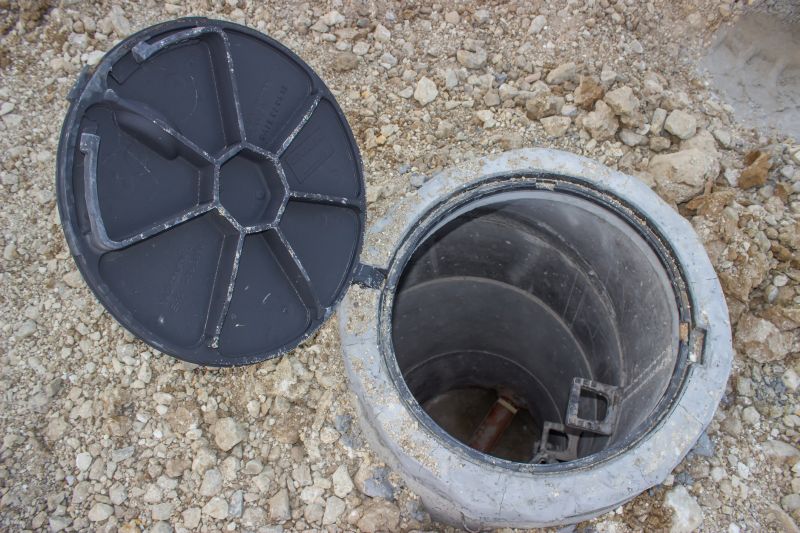
Dry well installation services are often needed when property owners in Omaha, NE face issues with drainage or water runoff on their property. Heavy rains and snowmelt can overwhelm existing drainage systems, leading to pooling or water accumulation that may damage landscaping or foundations. Local contractors can provide solutions to help manage excess water efficiently, preventing potential problems caused by improper drainage.
Additionally, homeowners planning new construction or property upgrades might seek dry well installation to improve overall drainage. Whether installing a new system to support a landscaped yard or upgrading an outdated drainage setup, local service providers can assist with the proper placement and installation of dry wells. This helps ensure that excess water is directed away from structures and landscaped areas, maintaining the property's integrity and appearance.
What is a dry well and how does it work? A dry well is an underground structure designed to manage excess water runoff by allowing it to disperse into the soil, helping prevent flooding around your property.
Why might I need a dry well installed on my property? A dry well can be useful if your property experiences standing water after heavy rain or if existing drainage systems are insufficient to handle water runoff effectively.
What types of dry wells are available for installation? There are various types, including plastic, concrete, and gravel-filled dry wells, each suited to different soil conditions and water management needs.
How do local contractors determine the best dry well solution for my property? They assess factors such as soil type, water flow volume, and property layout to recommend the most effective dry well system.
What should I consider when choosing a contractor for dry well installation? It’s important to select experienced local service providers who understand area-specific soil and water drainage conditions to ensure proper installation.
Preventing Water Accumulation - Installing a dry well can help manage excess rainwater runoff around driveways and walkways, reducing pooling and erosion.
Protecting Foundations - Proper dry well installation can direct groundwater away from building foundations, minimizing the risk of water damage.
Managing Yard Drainage - A dry well provides an effective way to improve yard drainage, making outdoor spaces safer and more usable after storms.
Handling Excess Water from Downspouts - Connecting downspouts to a dry well helps disperse roof runoff safely into the soil, preventing basement flooding.
If you are thinking about Dry Well Installation for a property in Omaha, NE, this guide is meant to help you understand the work, the typical project types, and how different options might fit your plans.
When you are ready, you can use the quote form on this page to share a few details about your project. From there, local pros can review the basics and respond with options that match what you have in mind.